

Enhancing Spaces with Indoor Air Quality Enhancements in Pittsburgh, PA

When it comes to making our homes and workplaces comfortable and safe, one factor often overlooked is the quality of the air we breathe indoors. Indoor air quality enhancements can transform any space, making it healthier and more enjoyable. I’ve seen firsthand how improving air quality can change the atmosphere of a room, reduce health risks, and even boost productivity. Let’s dive into why indoor air quality matters and how you can enhance it effectively.
Why Indoor Air Quality Enhancements Matter
Indoor air quality is more than just a buzzword. It directly affects our health, comfort, and well-being. Poor air quality can lead to allergies, respiratory problems, headaches, and fatigue. Dust, mold, pet dander, and even chemicals from cleaning products can linger in the air, making it harder to breathe.
Improving indoor air quality means reducing these pollutants and ensuring fresh, clean air circulates throughout your space. This is especially important in areas with high humidity or older buildings where ventilation might be limited.
Some simple indoor air quality enhancements include:
Regular cleaning of air ducts and vents
Using air purifiers with HEPA filters
Controlling humidity levels with dehumidifiers
Choosing low-VOC (volatile organic compounds) paints and materials
These steps can make a big difference in how your space feels and how healthy it is.

Clean air duct vents help improve indoor air circulation and reduce dust buildup.
Practical Indoor Air Quality Enhancements You Can Implement
There are many ways to enhance indoor air quality, and some are easier than you might think. Here are a few practical tips that anyone can apply:
Schedule Regular Air Duct Cleaning
Over time, dust and debris accumulate in your air ducts. This buildup can circulate allergens and pollutants every time your HVAC system runs. Professional air duct cleaning removes these contaminants, improving airflow and air quality.
Maintain Dryer Vents
Clogged dryer vents not only pose a fire risk but also reduce air quality by trapping lint and dust. Cleaning these vents regularly ensures proper ventilation and reduces indoor pollutants.
Use Air Purifiers
Portable air purifiers with HEPA filters can capture tiny particles like pollen, pet dander, and smoke. Place them in rooms where you spend the most time for the best effect.
Control Humidity
High humidity encourages mold growth, which can worsen allergies and asthma. Use dehumidifiers or air conditioners to keep humidity levels between 30% and 50%.
Ventilate Properly
Open windows when weather permits to let fresh air in. Use exhaust fans in kitchens and bathrooms to remove moisture and odors.
Choose Safe Cleaning Products
Many cleaning products release chemicals that can irritate your lungs. Opt for natural or low-VOC products to keep the air cleaner.
By combining these strategies, you can create a healthier indoor environment that feels fresh and inviting.
Is Indoor Air Quality Testing Worth It?
You might wonder if indoor air quality testing is really necessary. The answer is yes, especially if you or your family experience unexplained allergies, respiratory issues, or if your building is older and hasn’t had recent ventilation upgrades.
Testing helps identify specific pollutants like mold spores, radon, carbon monoxide, or volatile organic compounds. Knowing exactly what’s in your air allows you to target the problem effectively rather than guessing.
Professional testing services use specialized equipment to measure particle levels, humidity, and chemical contaminants. After testing, you’ll receive a detailed report with recommendations tailored to your space.
While testing involves some cost, it’s a worthwhile investment for peace of mind and long-term health benefits. It’s the first step toward making informed decisions about which indoor air quality enhancements will have the biggest impact.
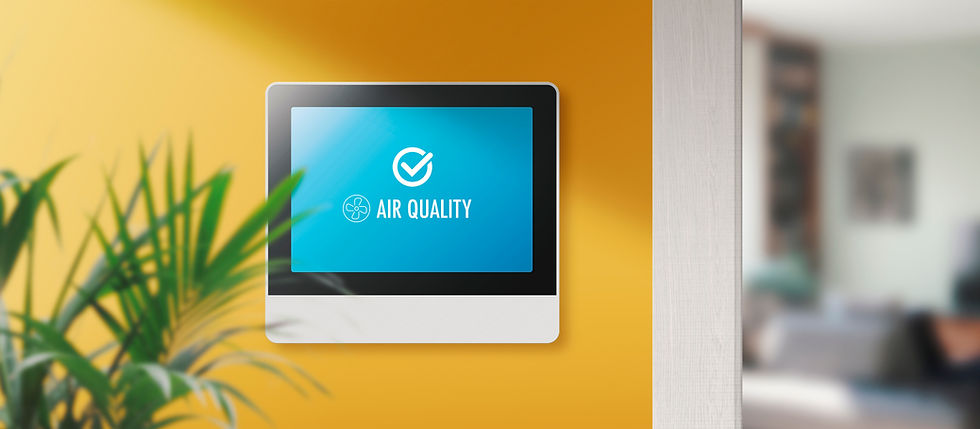
Indoor air quality testing devices help identify pollutants and improve air safety.
How Professional Services Can Help
Sometimes, DIY efforts aren’t enough to tackle serious air quality issues. That’s where professional indoor air quality services come in. These experts have the tools and knowledge to thoroughly clean air ducts, inspect ventilation systems, and recommend customized solutions.
Professional services can:
Remove deep-seated dust and allergens from ductwork
Clean and maintain dryer vents to prevent blockages
Test for hidden pollutants like mold or radon
Install advanced filtration systems tailored to your needs
Hiring a trusted local company ensures the job is done right and safely. Plus, regular maintenance by professionals keeps your air quality consistently high, preventing future problems.
Creating a Healthier Space Starts Today
Improving indoor air quality is one of the best investments you can make for your home or business. It’s about more than just comfort - it’s about health, safety, and peace of mind. Whether you start with simple steps like cleaning vents and using air purifiers or bring in professionals for a thorough service, every effort counts.
Remember, clean air supports better sleep, fewer allergies, and a more productive environment. Take action now to enhance your space with effective indoor air quality enhancements. Your lungs - and everyone who shares your space - will thank you.
If you want to learn more about how to keep your indoor air fresh and healthy, consider reaching out to local experts who specialize in air duct and dryer vent cleaning. They can guide you through the best options for your specific needs and help you breathe easier every day.

Comments